


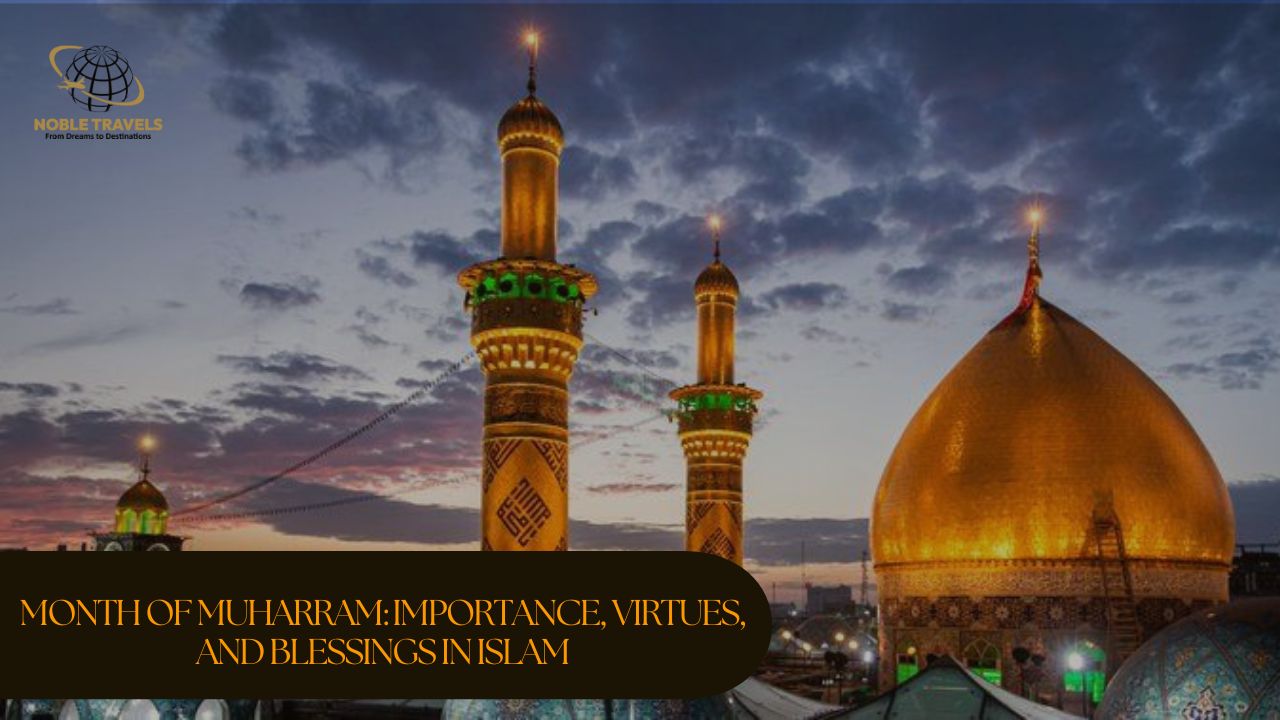
The Month of Muharram marks the beginning of the Islamic New Year and is one of the most respected months in the Islamic calendar. For Muslims around the world, including those living in the USA and Canada, it is more than just the start of a new year. It is a time to strengthen faith, reflect on life, seek forgiveness, and increase good deeds.
Many people welcome a new year by making personal goals. Islam also encourages believers to begin the new Hijri year with sincere intentions, worship, and gratitude to Allah. Muharram provides a beautiful opportunity to leave behind past mistakes and start a new chapter filled with faith and righteousness.
Unlike celebrations that focus on worldly achievements, the Islamic New Year reminds Muslims to prepare for the Hereafter. Every prayer, act of kindness, and moment spent remembering Allah during this blessed month carries great value.
Whether you are learning about Muharram for the first time or looking to deepen your understanding, this guide explains its importance, the virtues of fasting, the significance of Ashura, and practical ways to make the most of this sacred month.
Table of Contents
- What Is the Month of Muharram?
- Why Is Muharram One of the Sacred Months?
- Why Is Muharram Called the Month of Allah?
- Spiritual Lessons from Muharram
- The Rewards of Fasting During Muharram
- Understanding the Day of Ashura
- Historical Events Connected to Muharram
- Best Acts of Worship During Muharram
- Common Misconceptions About Muharram
- Observing Muharram in the USA & Canada
- Frequently Asked Questions
- Conclusion
What Is the Month of Muharram?
The Month of Muharram is the first month of the Islamic (Hijri) calendar. It begins a new Islamic year and reminds Muslims that every new beginning should start with faith and devotion to Allah.
The word Muharram means “forbidden” or “sacred.” Long before Islam, fighting during this month was prohibited because of its holiness. Islam confirmed its sacred status and encouraged Muslims to honor it by avoiding sins and increasing righteous actions.
Muharram is not associated with celebrations or festivals. Instead, it encourages believers to reflect on their relationship with Allah and dedicate more time to worship, charity, and self-improvement.
Why Is Muharram One of the Sacred Months?
Allah mentions the sacred months in the Holy Quran:
“Indeed, the number of months with Allah is twelve… among them are four sacred months. That is the correct religion, so do not wrong yourselves during them.”
(Surah At-Tawbah 9:36)
The four sacred months are:
- Muharram
- Rajab
- Dhul-Qa’dah
- Dhul-Hijjah
These months are honored because Allah has given them a special status. During these times, Muslims are encouraged to avoid sinful behavior and increase good deeds.
Scholars explain that while sins are always harmful, committing them during sacred months shows greater disrespect for Allah’s commands. Likewise, acts of worship performed during these months carry even greater spiritual value.
This makes the Month of Muharram an ideal time to renew your faith, seek forgiveness, and build better habits for the rest of the year.
Why Is Muharram Called the “Month of Allah”?
Among all twelve Islamic months, Muharram holds a unique title. The Prophet Muhammad ﷺ referred to it as:
“The best fasting after Ramadan is in Allah’s Month, Muharram.”
(Sahih Muslim)
Islamic scholars explain that although every month belongs to Allah, attaching His name to Muharram highlights its exceptional honor.
This title reminds Muslims that Muharram deserves special respect. It is a month to increase remembrance of Allah, perform voluntary prayers, recite the Quran, and strengthen one’s relationship with the Creator.
Starting the Islamic year with sincere worship sets a positive foundation for the months that follow.
Spiritual Lessons from the Month of Muharram
Every new Hijri year offers Muslims a chance to reflect on their lives. The Month of Muharram teaches lessons that remain relevant regardless of where we live.
One important lesson is accountability. Time passes quickly, and every year brings us closer to meeting Allah. Muharram reminds us to evaluate our actions, ask for forgiveness, and make sincere plans to improve.
Another lesson is patience. Throughout Islamic history, many prophets and righteous people faced hardships with faith and trust in Allah. Their stories inspire Muslims to remain hopeful during life’s challenges.
Muharram also encourages gratitude. Good health, family, faith, and opportunities to worship are blessings that should never be taken for granted.
Many Muslims use this month to set meaningful spiritual goals, such as:
- Performing all five daily prayers on time.
- Reading the Quran consistently.
- Giving charity every month.
- Learning more about Islamic teachings.
- Strengthening family relationships.
- Avoiding harmful habits and sins.
These simple actions can bring lasting positive changes throughout the year.
The Rewards of Fasting During Muharram
One of the greatest acts of worship during the Month of Muharram is voluntary fasting.
The Prophet Muhammad ﷺ encouraged believers to fast during this blessed month, especially on the Day of Ashura. Voluntary fasting is a way to earn extra rewards, strengthen self-discipline, and increase closeness to Allah.
Unlike the obligatory fasts of Ramadan, fasting in Muharram is optional. However, its rewards are immense. Many scholars recommend fasting as many days as possible throughout the month, while giving particular attention to the 9th and 10th or the 10th and 11th of Muharram.
Fasting teaches patience, gratitude, humility, and compassion for those in need. It also reminds believers that true success comes from pleasing Allah rather than pursuing worldly desires.
Understanding the Day of Ashura
The Day of Ashura, observed on the 10th of the Month of Muharram, is one of the most significant days in the Islamic calendar. It is a day of gratitude, reflection, and worship.
The Prophet Muhammad ﷺ fasted on this day after arriving in Madinah because Prophet Musa (Moses) عليه السلام fasted to thank Allah for saving the Children of Israel from Pharaoh. The Prophet ﷺ encouraged Muslims to fast on Ashura and later recommended fasting an additional day, either the 9th or the 11th of Muharram, to distinguish the Muslim practice.
According to an authentic Hadith:
“Fasting the Day of Ashura expiates the sins of the previous year.” (Sahih Muslim)
For Muslims in the USA and Canada, Ashura is an excellent opportunity to strengthen faith through fasting, extra prayers, Quran recitation, and sincere repentance.
Historical Events Connected to Muharram
The Month of Muharram is remembered for several important events in Islamic history. While Muslims honor these events, the primary focus remains worshipping Allah and following the teachings of the Prophet Muhammad ﷺ.
Some well-known historical events include:
- Allah saved Prophet Musa (AS) and the Children of Israel from Pharaoh.
- The migration period of early Muslims eventually led to the establishment of the Islamic calendar beginning with Muharram.
- Hazrat Umar ibn Al-Khattab (RA), the second Caliph of Islam, was martyred on the 1st of Muharram.
- The martyrdom of Imam Hussain (RA) at the Battle of Karbala on the 10th of Muharram remains one of the most significant moments in Islamic history, reminding Muslims about courage, justice, patience, and standing for truth.
Learning these events helps Muslims appreciate the spiritual and historical importance of Muharram while remaining focused on worship and good deeds.
Best Acts of Worship During Muharram
The Month of Muharram offers many opportunities to earn rewards. Although fasting on Ashura is highly recommended, believers should also increase other acts of worship.
Here are some of the best deeds during Muharram:
- Observe voluntary fasting, especially on the 9th and 10th or 10th and 11th of Muharram.
- Perform the five daily prayers on time.
- Read and reflect on the Holy Quran every day.
- Increase remembrance of Allah (Dhikr).
- Make sincere Dua for yourself, your family, and the Muslim Ummah.
- Give charity to those in need.
- Seek forgiveness through Istighfar.
- Strengthen family relationships and help your community.
- Avoid arguments, gossip, and sinful behavior.
- Renew your intentions and set spiritual goals for the Islamic New Year.
Even small acts of kindness performed sincerely during this sacred month can carry immense rewards.
Common Misconceptions About Muharram
Many misconceptions surround the Month of Muharram, especially on social media. Understanding authentic Islamic teachings helps Muslims observe this sacred month correctly.
Myth 1: Muharram is only a month of sadness.
While important historical events occurred during Muharram, it is first and foremost one of Allah’s sacred months dedicated to worship and righteousness.
Myth 2: Marriage or celebrations are forbidden in Muharram.
There is no authentic Islamic evidence that marriage or lawful celebrations are prohibited during Muharram.
Myth 3: Only Ashura matters.
Although Ashura is highly significant, the entire Month of Muharram is blessed. Muslims are encouraged to increase worship throughout the month.
Myth 4: Specific cultural practices are religious obligations.
Many customs practiced in different regions are based on culture rather than authentic Islamic teachings. Muslims should always follow the Quran and the Sunnah.
By learning from reliable Islamic sources, believers can avoid misunderstandings and practice their faith with confidence.
Observing Muharram in the USA & Canada
Muslims living in the USA and Canada can fully benefit from the blessings of the Month of Muharram, even while balancing work, school, and family responsibilities.
Simple ways to observe Muharram include:
- Mark the Islamic calendar and prepare for the Day of Ashura.
- Plan voluntary fasting around your work schedule.
- Attend educational programs at your local mosque or Islamic center.
- Read Quran with your family each evening.
- Encourage children to learn about the Islamic New Year and the virtues of Muharram.
- Donate to local charities or humanitarian organizations.
- Participate in community gatherings that focus on authentic Islamic teachings.
- Spend time making Dua and reflecting on your personal relationship with Allah.
For many Muslims across North America, Muharram is an opportunity to begin the new Islamic year with renewed faith, stronger worship, and a commitment to becoming a better Muslim.
Frequently Asked Questions
Is Muharram one of the sacred months in Islam?
Yes. Muharram is one of the four sacred months mentioned in the Quran. Muslims are encouraged to avoid sins and increase worship during this blessed month.
Is fasting during Muharram compulsory?
No. Fasting in Muharram is voluntary. However, it is one of the most rewarding optional fasts after Ramadan.
Why is the 10th of Muharram important?
The 10th of Muharram, known as Ashura, is significant because Allah saved Prophet Musa (AS) and the Children of Israel from Pharaoh. It is also remembered for the martyrdom of Imam Hussain (RA).
Can I perform Umrah during Muharram?
Yes. Umrah can be performed during Muharram. Many Muslims choose this blessed month because it is generally less crowded than Ramadan and offers a peaceful environment for worship.
